
Reduces winter heat loss through walls
Uninsulated brick veneer walls lose heat rapidly in Melbourne’s cold winters. Cavity insulation slows this transfer, keeping indoor temperatures steadier and reducing the need for constant heating.
Roxburgh Park
Cavity wall insulation for brick veneer homes in Roxburgh Park cuts winter heat loss and summer heat gain through external walls. Expert Insulation Melbourne installs it with minimal disruption to your home.
Share your details and Expert Insulation Melbourne will contact you about Cavity Wall Insulation in Roxburgh Park.
Cavity wall insulation fills the gap between the inner and outer leaf of brick veneer walls with insulating material. In Roxburgh Park, this is a practical way to improve thermal performance in post-1960s brick veneer homes without removing wall linings. The process involves drilling small holes in the mortar, injecting insulation and patching the holes to leave a clean finish.
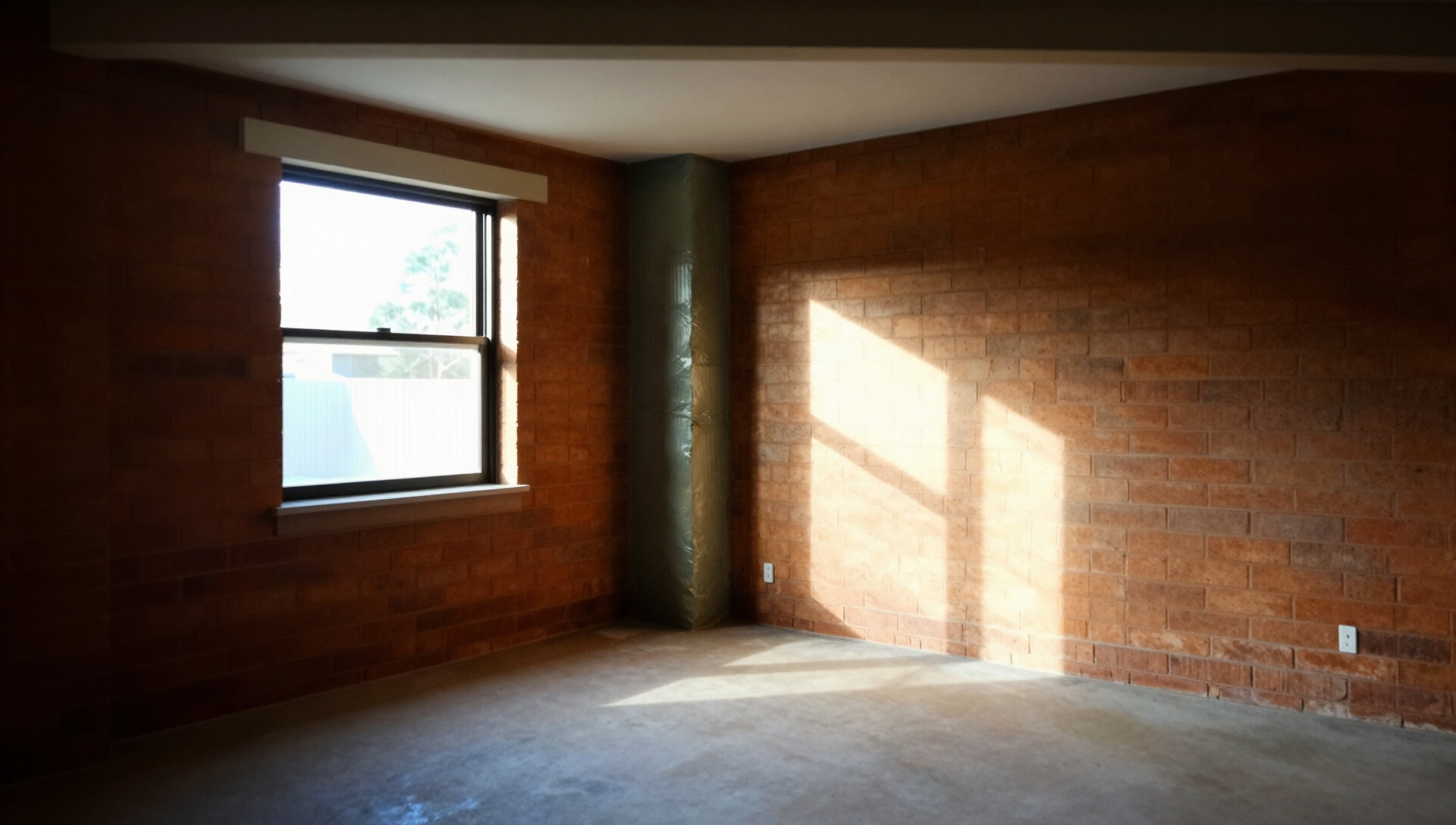
Roxburgh Park’s newer brick veneer estates often lack wall insulation, leading to cold walls in winter and heat radiating through in summer. Cavity wall insulation addresses this by adding a thermal barrier within the wall structure.
Uninsulated brick veneer walls lose heat rapidly in Melbourne’s cold winters. Cavity insulation slows this transfer, keeping indoor temperatures steadier and reducing the need for constant heating.
Roxburgh Park’s exposure to hot northerly winds means external walls absorb heat. Insulation in the cavity reflects and resists radiant heat, keeping interiors cooler without overworking air conditioning.
Gaps in brickwork and mortar allow cold air to seep into the cavity and through to internal walls. Filling the cavity blocks these paths, eliminating cold draughts near skirting boards and window frames.
Rooms with external brick walls often feel colder. Cavity insulation evens out surface temperatures, so walls no longer radiate cold in winter or heat in summer.
By reducing the workload on heaters and coolers, cavity wall insulation can cut energy bills. The savings are most noticeable in homes with large areas of external brickwork.
Unlike wall batts, cavity insulation is installed from the outside. This avoids the cost and mess of stripping plaster or gyprock, making it ideal for established homes.
The installation is a clean, efficient process that typically takes a day for an average Roxburgh Park home. Access to the exterior walls is all that is required.
Not all brick walls suit cavity insulation. The installer checks wall type, cavity width and moisture risk. If the cavity is bridged or the wall is solid brick, alternative solutions are discussed.
Small holes are drilled in the mortar joints at regular intervals, usually every 600 to 800 mm. These are positioned to ensure even fill and avoid structural elements.
Loose-fill insulation, often mineral wool or cellulose fibres, is blown into the cavity under controlled pressure. The installer ensures the cavity is fully filled without over-packing, which can cause bridging.
The access holes are plugged with colour-matched mortar to restore the wall’s appearance. Any excess material is cleaned from the site, leaving no trace of the work.
Roxburgh Park’s post-2000 brick veneer estates were built when wall insulation was not standard. These homes often have large north-facing walls that absorb summer heat and lose winter warmth quickly. Cavity wall insulation is a straightforward upgrade that improves comfort without major renovations. Nearby suburbs like Craigieburn and Greenvale share similar housing stock and climate exposure, making this solution widely applicable.
Expert Insulation Melbourne installs cavity wall insulation in Roxburgh Park brick veneer homes to cut heat loss and draughts.
Homeowners in Roxburgh Park often ask about suitability, cost factors and how cavity insulation compares to other wall solutions.
Cavity wall insulation is a non-invasive way to add thermal resistance to brick veneer homes in Roxburgh Park. Unlike bulk insulation fitted inside wall frames, cavity fill is injected from the outside, making it ideal for existing homes where removing plasterboard is impractical. The process targets the air gap between the inner and outer brick leaves, a common weak point for heat transfer in Melbourne’s climate.
Roxburgh Park’s newer suburbs feature many brick veneer houses built without wall insulation. These homes suffer from cold internal walls in winter and heat radiating through in summer. Cavity insulation addresses this by filling the void with material that resists conductive and convective heat flow. It also reduces air leakage through the cavity, which can account for a significant portion of a home’s heat loss.
The effectiveness depends on a full, even fill and the right material for the cavity width. Installers in Roxburgh Park use equipment to ensure consistent density and avoid gaps. While R-values for cavity insulation are lower than bulk batts, the benefit comes from treating a previously uninsulated area. For homes with both uninsulated walls and ceilings, combining cavity fill with ceiling batts delivers the best year-round comfort.
Improve the thermal performance of your brick veneer home in Roxburgh Park with cavity wall insulation. Contact Expert Insulation Melbourne to check suitability and arrange a quote.